Chamonix prepares to implement first Alpine visitor quotas for popular hiking sites
The Alpine town plans to restrict daily access to Lac Blanc and nearby lakes starting next June to protect the environment from overcrowding.
By Victoria Ricci ·
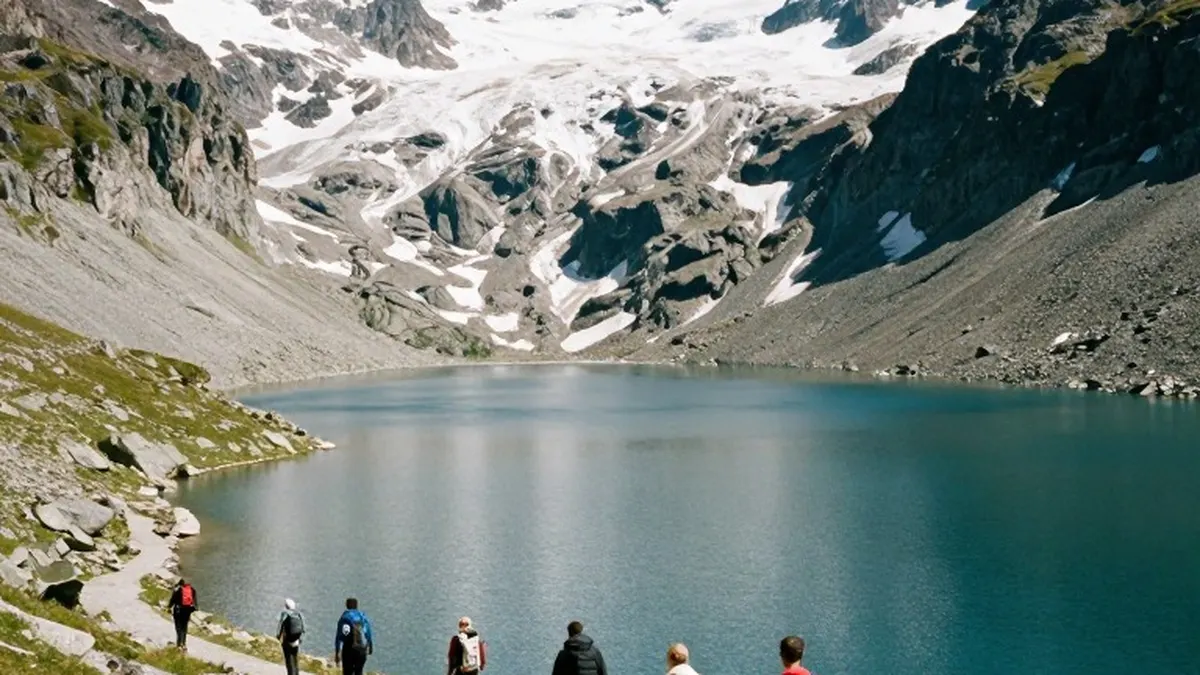
The town of Chamonix is set to become the first Alpine municipality to introduce strict visitor quotas for its most popular natural attractions. The initiative targets the Aiguilles Rouges nature reserve, specifically the areas surrounding Lac Blanc and the Lacs des Chéserys. Currently, these sites attract up to 4,000 tourists daily during the summer months. Many visitors arrive via hiking trails or cable cars seeking views of Mont Blanc and the region's glaciers, but rising numbers have led to environmental concerns and a decline in visitor satisfaction.
Mayor Francois-Xavier Laffin announced the plan last week, stating that starting in June 2027, tourists will be required to book their visits in advance. Successful bookings will grant visitors a QR code for access. Laffin cited a similar scheme implemented in Marseille in 2022 for the Calanques national park as a model. He described the goal as a strategy to reserve the area in order to preserve it, emphasizing that while entry to the mountains will remain free, it will be subject to specific conditions.
The proposal, which awaits final approval from the local prefect, aims to limit daily foot traffic in the Lac Blanc area to between 600 and 1,000 people. This restriction will apply for four months each year, from June through September. Laffin argued that mass tourism is negatively impacting wildlife, the environment, and the overall experience for those who do visit. He noted that the town council is also considering additional regulations for other parts of the reserve.
Christian Schwoehrer, director of the Haute-Savoie Nature Conservation Agency, supported the move, noting that thousands of daily visitors leave little peace for protected species or local residents. He explained that the agency will evaluate the scheme over a three-year period. If successful, the quotas may be extended or applied to other zones. Schwoehrer also mentioned that eco guards will be stationed at entry points to verify reservations. While fines are possible for unregistered visitors, the agency intends to prioritize clear communication to prevent penalties.
The plan has faced some opposition from the private landowners who hold the legal title to the area. Lac Blanc sits on a private estate of nearly three square miles, owned by 35 families through a historic entity now managed by the Montagne de Chéserys company. Guillaume Ravanel, a mountain guide and landowner, agreed that numbers need controlling but suggested introducing a small entry fee to help manage access. Frédéric Charlet-Berguerand, a co-manager of the company, described the quota system as innovative but warned that no quotas would be imposed on private property until the owners formally approve them at a meeting scheduled for December.
The three-year experimental phase is estimated to cost approximately 590,000 euros. Funding arrangements are still in progress, with contributions expected from Chamonix and other local authorities. The town is also seeking a grant from the government's green fund and exploring opportunities for private sponsorship. Laffin, who was elected in March, has prioritized managing tourist numbers as a key part of his administration.
Beyond the hiking trails, the mayor is reviewing tighter controls for the Ultra-Trail du Mont Blanc, a major ultramarathon event that began in 2003. This three-week race circles the Mont-Blanc massif across France, Italy, and Switzerland, starting in Chamonix. It now draws 10,000 runners and up to 50,000 spectators each August. Schwoehrer noted that a recent survey found 55% of visitors to Lac Blanc were disappointed by the overcrowding, leading many locals to avoid the reserve during peak summer months. The new rules are intended as a compromise to ensure a positive visitor experience while safeguarding the natural environment.
The implementation of these quotas marks a significant shift in how alpine towns manage their natural assets. By moving from open access to a regulated system, Chamonix hopes to balance the economic benefits of tourism with the ecological needs of the reserve. The success of this pilot program will likely influence future conservation strategies in other parts of the Alps.