Football Queensland faces revolt as clubs demand reform over high fees and governance
More than 100 football clubs in Queensland are set to break away from the state governing body over disputes regarding high fees and a lack of democratic accountability.
By Beatriz Ricci ·
Football clubs representing hundreds of thousands of players are preparing to separate from Football Queensland this week. The clubs argue that the state governing body imposes unreasonably high fees and lacks sufficient accountability. This move follows growing frustration among members who feel they receive little value for the significant sums they pay.
The controversy has been fueled by a recent decision to charge a $5 gate fee for parents and siblings watching children's matches in parts of regional Queensland. This entry cost is added to an annual family fee that ranges from $300 to $700, depending on factors such as the player's age and the specific club. Many members also cite various other fines and charges, leading to a perception that the cost of participation is becoming unsustainable.
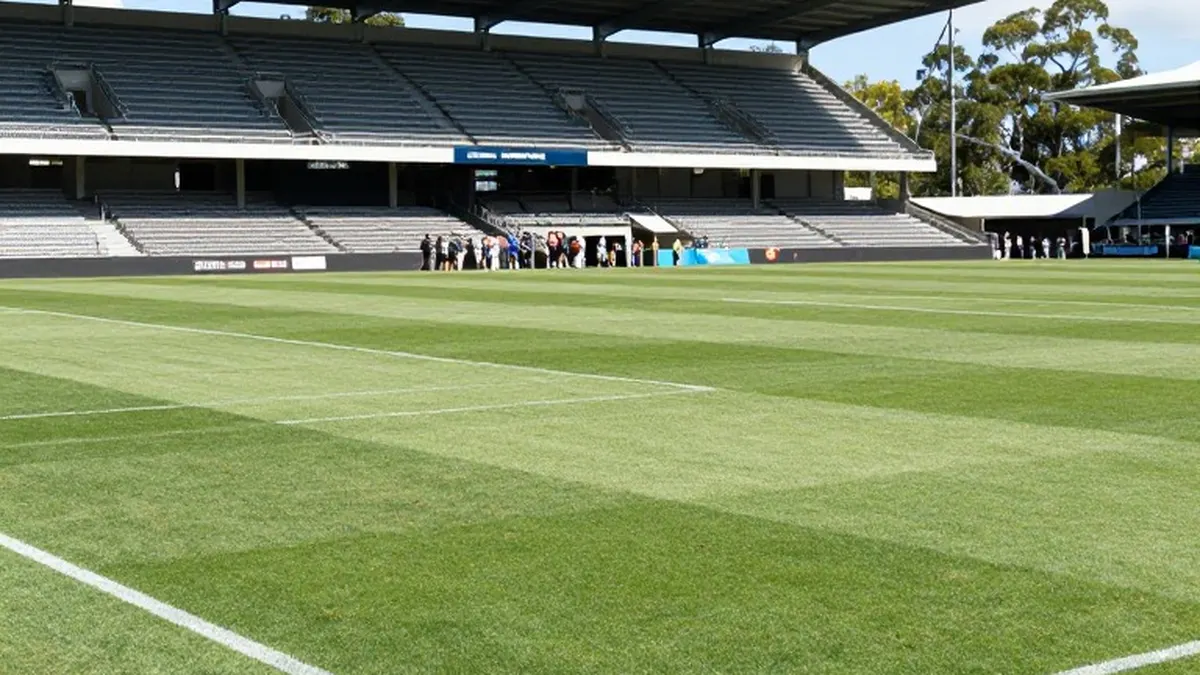
Jessy Mulla, president of Leichhardt Football Club Cairns Incorporated, explained that the gate fee was introduced in 2024 to fund improvements at Endeavour Park in Manunda. The stated goals included cleaning toilets, hiring a full-time gardener, and installing shade structures and grandstands, which were quoted at $20,000 each. Mulla noted that with several hundred attendees most weekends, the total revenue generated must be substantial.
Despite these efforts, Mulla said that there have been very few visible improvements to the ground since the fee was implemented. This has led to widespread questions about where the collected money is being spent. Under current policy, registered coaches, team managers, referees, volunteers, and children under 15 enter for free, while pensioners pay a discounted rate of $4.
Football Queensland serves as a member of the national body, Football Australia. It provides services to typically volunteer-run clubs, including competition management, governance, and player development pathways. Clubs must pay an annual affiliation fee, which is passed on to players. A spokesperson for the state body stated that they are continuing to deliver long-term infrastructure projects in line with their regional facility master plan.
The spokesperson highlighted that three levels of government have invested $7.9 million into regional facilities since 2023. Additionally, Football Queensland contributed $4.9 million in operational costs and capital investment during the same period. They argued that the $5 gate fee, or an $80 season pass, is consistent with other sporting codes and helps offset maintenance and operational expenses.
Tensions escalated recently when the governing body proposed a $35 per player fee for summer competitions organized by the clubs themselves. Although this specific proposal and other fee increases have since been dropped, the episode contributed to the current unrest. A rebel faction is now negotiating with the central body via a law firm, with more than 100 clubs, representing over 100,000 players, joining the reform movement.
Gerard Doyle, president of Bardon Latrobe football club, stated that the majority of clubs have joined the push for change. According to bylaws, the governing committee was required to hold elections for new board members this month. However, the board has not yet called these elections, making it difficult to meet the necessary one-week nomination period.
Clubs have been given until Wednesday, 25 November, to re-affiliate with the central authority after an extension to the sign-up period. Doyle outlined two options for the future: either Football Australia steps in to facilitate open and free elections, or the clubs will refuse to affiliate and create a rival central body.
Doyle expressed his frustration with the current situation, comparing it to fighting for basic rights in a dictatorship. He described the process as undemocratic and un-Australian, emphasizing the need for greater transparency and input from the clubs that form the backbone of the sport in the state.