
Russian strike hits Dnipro transport hub, halting metro and disrupting water supply
An evening attack on a trolleybus depot in Dnipro damaged 18 vehicles and caused infrastructure failures that suspended metro services and affected water distribution.
By Naomi Wood ·
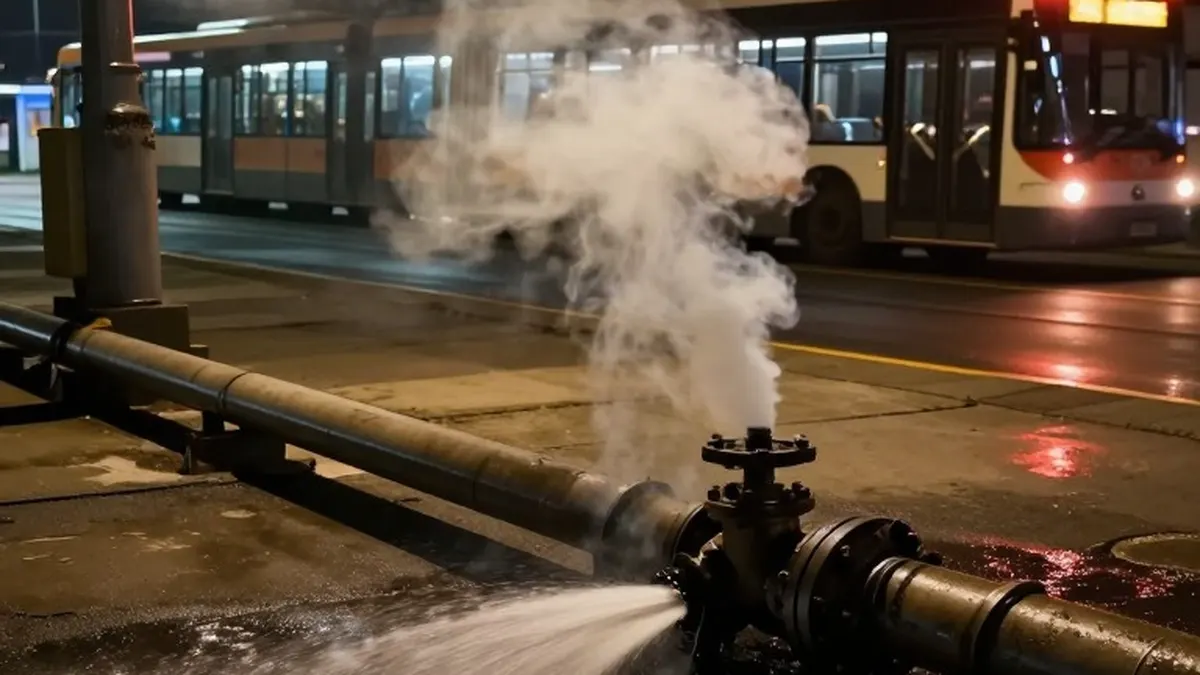
Russian military forces launched an attack on a public transport facility in Dnipro on the evening of 22 November. The strike targeted an electric public transport depot, resulting in significant damage to the fleet and surrounding infrastructure. The assault has left 18 trolleybuses compromised, suspended metro operations across the city, and caused temporary disruptions to the local water supply.
Borys Filatov, the mayor of Dnipro, provided details on the extent of the damage following the incident. He stated that the depot for electric-powered transport caught fire after the Russian forces struck the site. Filatov described the impact of the strike as powerful enough to rupture a main pipeline located near the facility. The force of the explosion also injured a woman who was driving past the area in her car at the time of the attack.
According to the mayor, all 18 trolleybuses sustained damage, with broken windows and compromised doors, seats, and bodywork. One maintenance trolleybus, which is typically used for rapid repairs along the routes, was completely burnt out. Filatov referred to the Russian forces as scum in his account of the evening's events, highlighting the severity of the destruction inflicted on the city's transport assets.
The Dnipro City Council reported that metro services in the city have been suspended due to an emergency power cut triggered by the attack. Despite the halt in train movements, metro stations remain open to the public. These stations are currently being utilized as shelters for residents seeking protection from potential further strikes.
Beyond the immediate transport sector, the attack affected critical utility infrastructure. Filatov reported damage to a district heating pipeline in addition to the main water pipeline. Approximately a dozen houses in the vicinity of the depot were also reported to have sustained damage from the blast and subsequent fire.
Energy infrastructure facilities in Dnipropetrovsk Oblast were also damaged during the Russian attack. This damage to the power grid contributed to the emergency power cuts that necessitated the suspension of metro services. The instability in the electrical grid further complicated efforts to restore normal operations in the city's utilities.
The disruption to the power supply has had a cascading effect on the water distribution system. The Dnipro City Council confirmed that temporary disruptions to the water supply are being felt by residents. Engineers and utility workers are working to assess the damage to the pipelines and restore service to affected neighborhoods.
The incident marks another instance of Russian forces targeting civilian infrastructure in Dnipro. The combination of transport damage, power outages, and water supply issues has significantly impacted daily life for the city's inhabitants. Local authorities are coordinating efforts to repair the damaged vehicles and restore essential services as quickly as possible.
Residents in Dnipro are advised to check for updates from local authorities regarding the status of water and power in their specific districts. The metro system is expected to resume operations once the emergency power cut is resolved and safety checks are completed. The damaged trolleybuses will require assessment before they can be returned to service.
The attack underscores the continued vulnerability of civilian infrastructure in Ukraine to Russian strikes. The damage to the trolleybus depot and energy facilities highlights the strategic importance of these assets in the ongoing conflict. Dnipro officials remain focused on minimizing the impact on residents while repairing the extensive damage caused by the evening's attack.