
New York State Estimates 1.9 Million Adults Live with Diabetes
Dr. Sheldon Markowitz outlines risk factors, new treatment options like GLP-1s, and the specific communities in Far Rockaway most affected by Type 2 diabetes.
By Beatriz Ricci ·
The New York State Department of Health and Human Services estimates that 1.9 million adults in the state have diabetes. The New York City estimate stands at 800,000. Dr. Sheldon Markowitz, Chief of Endocrinology at Episcopal Health Services, provided an overview of the condition during National Diabetes Awareness Month.
Type 2 diabetes accounts for more than 90% of all cases. It occurs when the body produces insufficient insulin or becomes resistant to it, leading to elevated blood sugar. Type 1 diabetes affects 5% to 10% of adult patients and results from the immune system destroying insulin-producing cells in the pancreas. Dr. Markowitz noted that most Type 2 patients show no symptoms and are diagnosed during routine laboratory tests. When symptoms do appear, they include frequent urination, increased thirst, blurred vision, and weight loss.
Risk factors include age, family history, obesity, and a sedentary lifestyle. The disease is more frequent among African Americans, Asian Americans, Native Americans, and Hispanics. In the Far Rockaway community, Dr. Markowitz identified African Americans and Hispanics as the most affected groups, particularly those who are overweight or physically inactive. He observed that the prevalence of Type 2 diabetes is increasing among youth worldwide, a trend that coincides with rising obesity rates.
Treatment typically involves diet, physical activity, weight loss, and medication. Metformin remains a standard treatment. Newer classes of drugs, including SGLT-2 inhibitors like empagliflozin and dapagliflozin, and GLP-1s like tirzepatide and semaglutide, help control blood sugar. These newer medications can reduce the need for insulin or lower the required dose. Dr. Markowitz stated that the use of these drugs over the last decade has led to tighter control of the disease, helping to prevent complications such as heart attacks, strokes, and kidney damage.
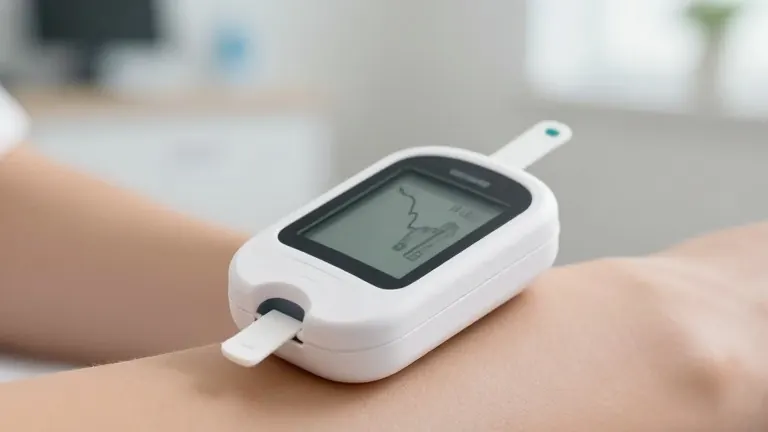
Continuous glucose monitors, which replace the need for finger pricks, have also changed patient management. These devices provide real-time data on blood sugar levels, encouraging patients to adhere to their treatment regimens. While Type 2 diabetes is sometimes reversible through strict diet, exercise, weight loss, or bariatric surgery, it requires chronic management for most patients.
Dr. Markowitz advised patients to minimize sugars, processed foods, and excessive carbohydrates. He recommended diets high in fish, chicken, turkey, and green vegetables, along with small amounts of whole grain carbohydrates. Regular exercise, maintaining a healthy weight, and monitoring blood sugar are essential. Patients should also see their primary care provider, eye doctor, and podiatrist regularly to manage the condition.
The New York State Department of Health and Human Services released these estimates to support awareness efforts. Dr. Markowitz emphasized that keeping diabetes under good control is vital for long-term health. Without proper management, the complications can be devastating.